


Fingrid: Powering predictive maintenance with smart IoT
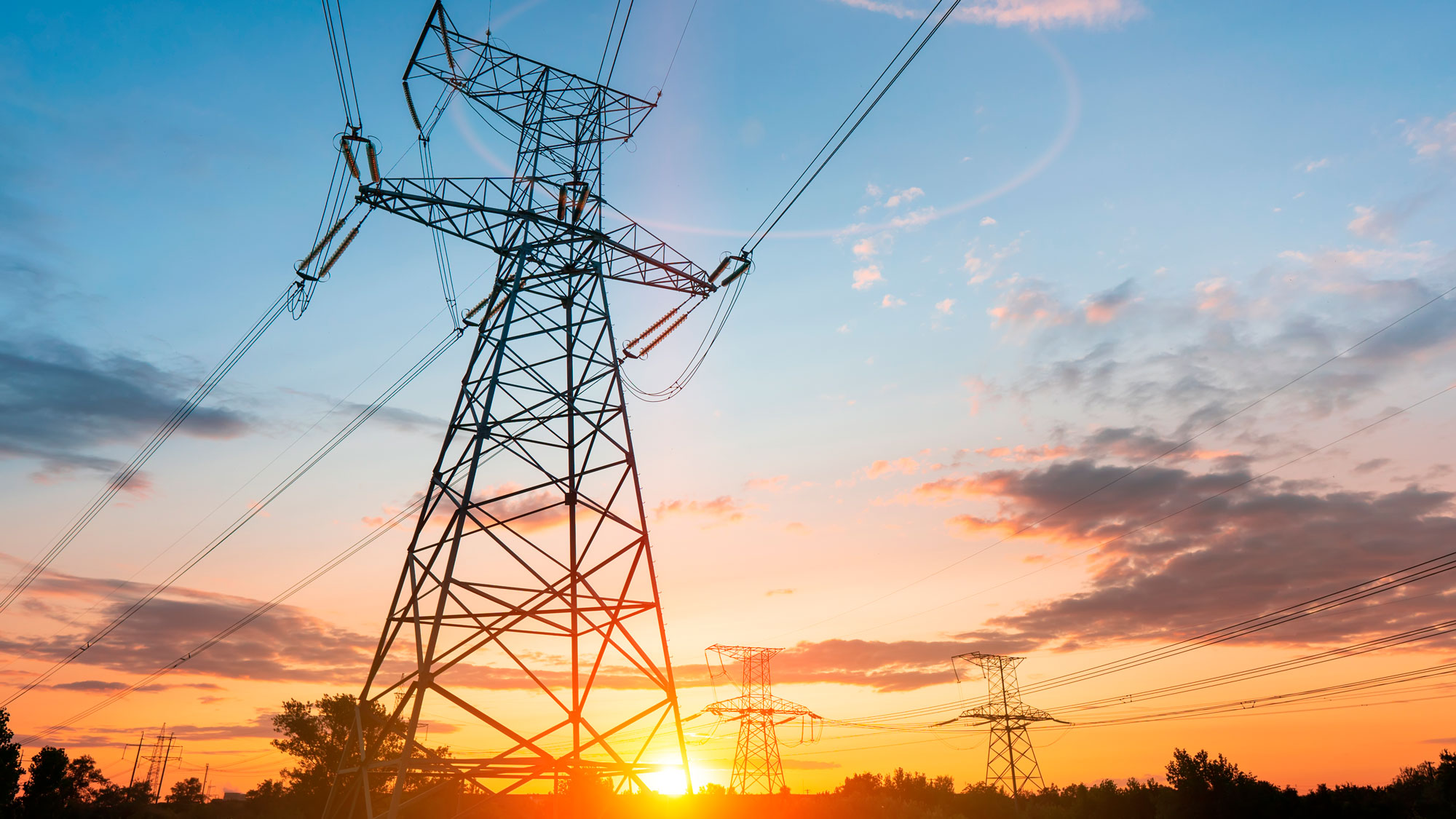
Fingrid is responsible for the electricity transmission network in Finland’s high-voltage main grid. This requires keeping their vast and critical infrastructure, including over 14,000 kilometers of transmission lines and more than 100 substations, in optimal condition.
However, maintaining this complex network, much of which is in remote locations, presented a significant operational challenge. The team needed to shift from traditional, reactive maintenance to a more proactive, data-driven model to prevent equipment failures and costly downtime.
Also, conditions in substations vary depending on seasons, having an impact on the expected lifecycle of various electronic equipment used in these substations. Lifecycle of these electronic assets can be +20 years, hence having a monitored environmental conditions help optimize the required investments. High temperatures consume components more, resulting shorter lifespan of various electrical assets.
STARTING POINT
Gaining real-time insight into asset conditions
The core of Fingrid’s challenge was the need for real-time visibility into their unmanned substations and other critical grid components. Initially, the expected asset lifecycles were calculated based on certain assumptions, in-person observations and historical failures.
Minor issues, like a small water leak or fluctuating temperatures in a control room, could escalate into major problems if left undetected, potentially leading to power distribution interruptions.
Without a reliable, automated monitoring system, maintenance was often reactive and dependent on scheduled, time-consuming site visits. This was not only inefficient but also meant that the team had limited information on asset conditions between inspections. Fingrid recognized the need for a solution that could provide constant, remote monitoring and immediate alerts to enable predictive maintenance and preventing problems before they happen.
Solution
A scalable and robust wireless IoT system
In 2018, Fingrid initiated several innovation challenges to find the best partners for their industrial digitalization journey. Haltian won one of these challenges, and the partnership began with a pilot study to deploy a sensor-based IoT solution.
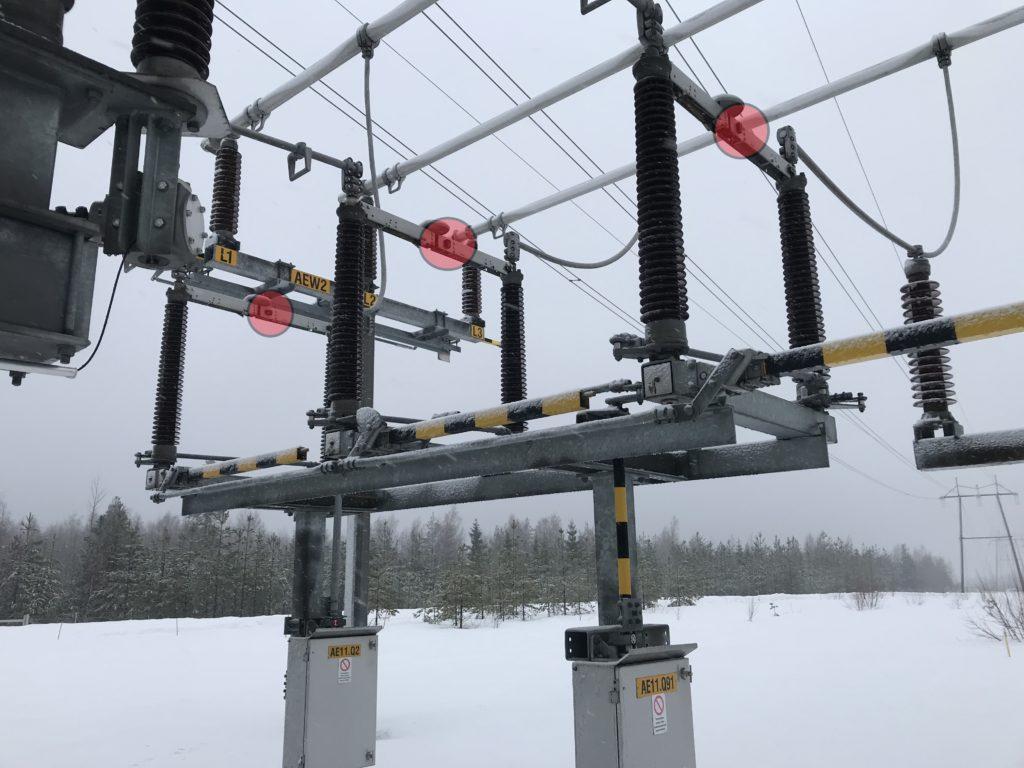
The implementation involved deploying Haltian Thingsee sensors across Fingrid’s facilities. Haltian ENVIRONMENT sensors were installed to monitor temperature and humidity in critical control building rooms, while Haltian LEAKAGE sensors, including the innovative rope sensor, were used to detect potential water ingress. For monitoring high-voltage components in harsh outdoor conditions, the ENVIRONMENT RUGGED was developed and put into use.
The wireless, battery-powered sensors were installed quickly without complex wiring. Data is transmitted securely via Haltian GATEWAYs to the Haltian IoT platform, which then feeds into Fingrid’s own systems for analysis via Microsoft Azure IoT Hub. Within Fingrid’s in-house built end-user solution, customizable alerts were configured to notify the maintenance team instantly if any readings breached predefined thresholds, such as a sudden temperature rise in a component, which could indicate increasing electrical resistance and a potential failure. Higher than normal temperature could be also indicative of failed cooling system for the premises.
“The difference between our old model and now is the difference between reacting and preventing. We used to base our maintenance on calculated lifecycles and what we could see during site visits. With real-time IoT monitoring, we’ve replaced assumptions with precise data. We can now identify and address potential risks, like rising temperatures or moisture, instantly. This not only optimizes costs but fundamentally improves the reliability of our grid.”
– Jukka Kotisaari, Manager, Maintenance Management, Fingrid
results
Enhanced reliability and operational efficiency
The results of implementing Haltian’s solution have been transformative for Fingrid, marking a clear shift towards a condition- and risk-based maintenance model.
- Increased uptime and reliability: By catching potential issues like water leaks and overheating equipment early, Fingrid has significantly reduced the risk of unplanned downtime, ensuring the continuous, reliable operation of the national power grid.
- Improved maintenance efficiency: The need for routine, manual site inspections has been drastically reduced. Internal and outsourced maintenance teams can now focus their efforts where they are needed most, responding to data-driven alerts instead of relying on scheduled check-ups. This saves valuable time, fuel, and resources.
- Data-driven decision making: The historical data collected by the sensors provides valuable insights into the long-term performance and condition of their facilities. This enables the team to identify trends, optimize environmental controls, and make more informed decisions about future maintenance strategies.
future
Future-proofing Finland’s power grid
The partnership between Fingrid and Haltian is built on continuous, agile development and open communication. As Fingrid’s needs evolve, the scalability of the Haltian platform and variety of different sensors allow for the easy addition of new data types and monitoring capabilities. Fingrid is continuously upgrading its device fleet to the latest technology, ensuring the solution remains future-proof.
By embracing smart IoT technology, Fingrid has not only solved its immediate monitoring challenges but has also laid the groundwork for a more predictive, efficient, and resilient future for Finland’s national power grid.
Ready to enhance the reliability and efficiency of your own critical infrastructure? Learn more about Haltian’s solutions for smart monitoring.