


Article
From Data To Decisions:
The Power Of Occupancy Management In Real Estate
Efficient use of space has become a strategic advantage for modern organizations. Occupancy management provides facility and real estate leaders accurate, real-time data to understand how spaces are truly used whilst enabling smarter decisions, cost savings and improved workplace experiences.

In today’s workplace landscape, data-driven decisions are no longer a luxury: they’re a necessity. Facility managers and real estate leaders face increasing pressure to optimize space usage, reduce costs and enhance employee experience and productivity. Yet, without clear insights into how spaces are actually being used, achieving this balance can feel like guesswork.
That’s where occupancy management comes in.
What is occupancy management?
“Occupancy management refers to the systematic process of tracking and analyzing how spaces within a building or facility are used”, Haltian’s Head of Product Management Juhani Savolainen says.
By collecting and interpreting real-time occupancy data, such as how many people use a meeting room, how often desks are occupied, or which areas remain underutilized, organizations gain a complete picture of their workspace efficiency.
“The goal is to make data-driven decisions that improve space allocation, cost-efficiency, and support sustainable business practices and growth” Savolainen adds.
Rethinking workplace efficiency in the era of hybrid work
Modern enterprises are rethinking the purpose of the workplace. Hybrid work, cost pressures, and sustainability goals are reshaping how buildings are managed. Real estate represents one of the largest cost items for most organizations, and underused spaces are a silent expense.
Occupancy management data enables you to:
- Optimize space utilization by identifying underused areas and reallocating resources where they’re needed most.
- Enhance employee experience through smarter layouts, better amenities, and spaces that adapt to how people actually work.
- Support sustainability goals by reducing wasted energy and improving operational efficiency.
- Make informed investment decisions with concrete data instead of assumptions.
Smarter facilities start with smarter data
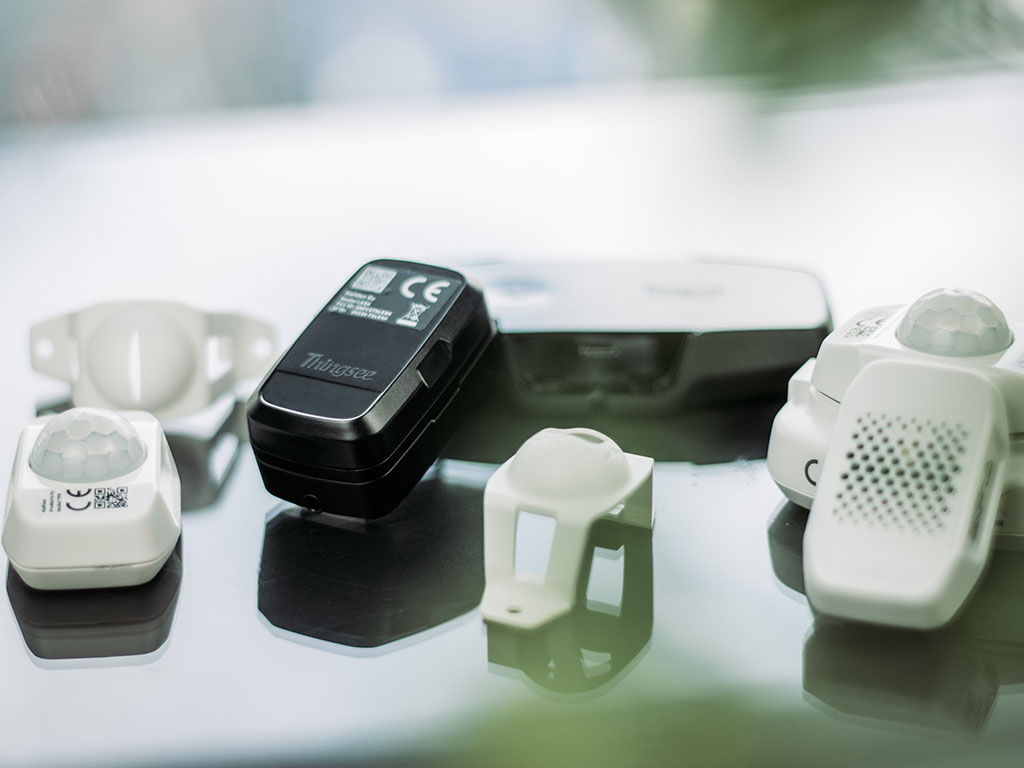
With our IoT-based smart building solutions, facility managers gain access to precise, real-time occupancy insights. Wireless sensors and intuitive dashboards provide a seamless way to monitor usage patterns across desks, rooms and even entire buildings. And all of this without manual effort!
The result:
- Accurate, continuous visibility into how your spaces are performing
- Simplified reporting for leadership and stakeholders
- The ability to forecast future needs and scale your spaces accordingly.
This is how data becomes your most valuable decision-making tool
When organizations understand how their spaces are used, they can manage them proactively. Occupancy management transforms buildings into living, responsive environments, as well as helping teams work smarter, not just harder.
Whether you’re managing a global real estate portfolio, optimizing a hospital’s operational flow, or planning sustainable office growth, occupancy data is the key to making confident and informed decisions. With our smart building technology, you don’t just collect data, you turn it into actionable intelligence that drives business success.
Learn more about our IoT solutions.
Start evaluating your space needs today with technology
Wireless sensors – easy setup in minutes. Learn about Haltian Occupancy Analytics solution and pricing below.
Other relevant content
Article
What are the most common type of smart office sensors?
Explore the four types of office sensors, their common applications, benefits and technology.
Guide
Optimizing office spaces for efficiency – a practical guide
Explore a step by step approach to occupancy management and its impact on business performance.

Customer Story
Uniper frees up 30% of space with smart office sensors
Read how new ways of working and technology adoption helped Uniper to transform office operations.