


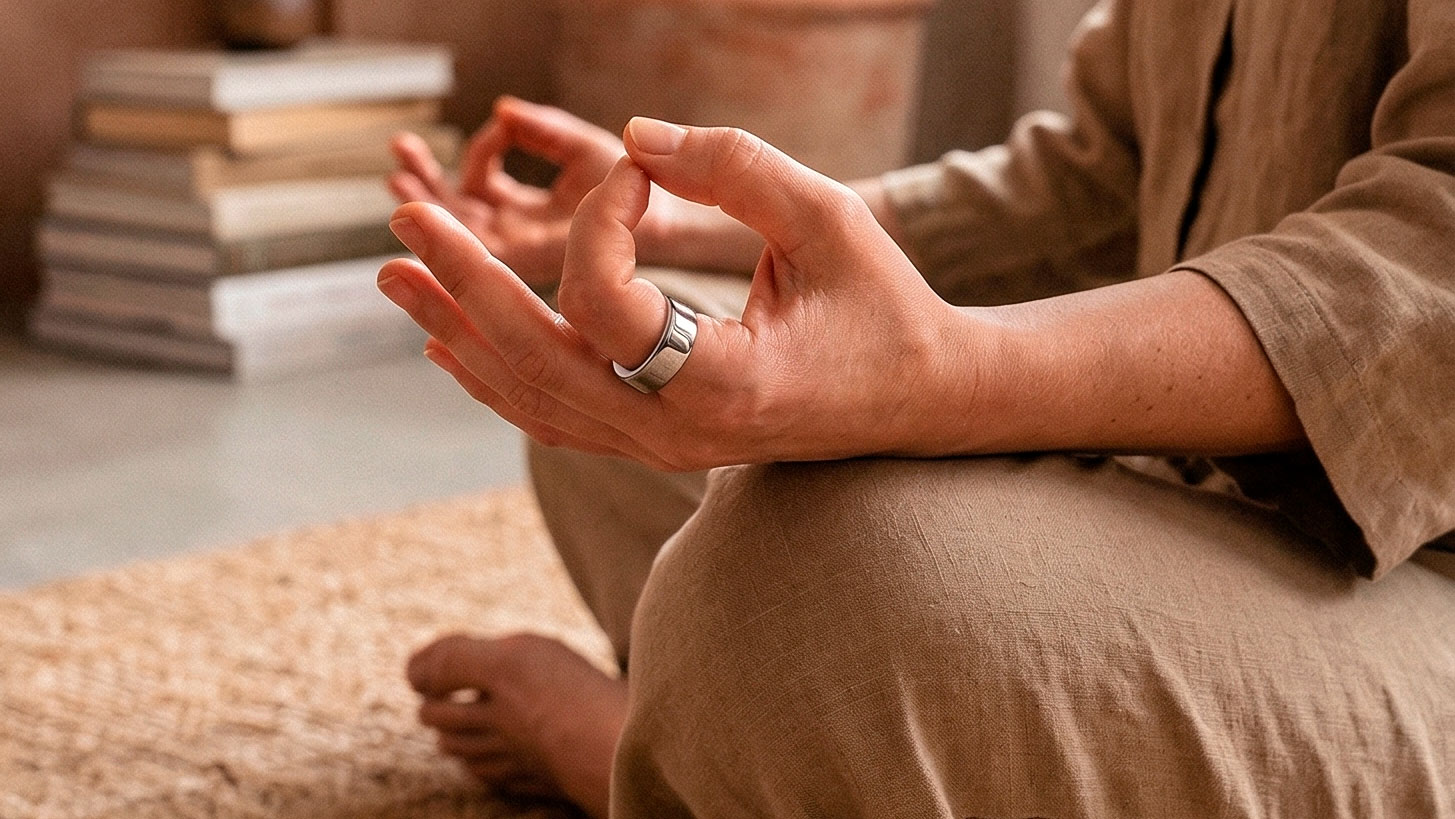
Pulse: A mindfulness ring that breaks the autopilot
Most of us know the feeling. You start the day calm, and two hours later your phone is buzzing in your pocket and your smartwatch is blinking. The calm is gone, and you’re back on autopilot.
Pulse, a wellbeing startup, set out to change that with a mindfulness ring: a smart wearable with no notifications and no tracking. Just gentle vibrations throughout the day that remind you to pause, breathe and be present in the moment.
The idea was simple. Building it was not. A vibration motor, a battery and electronics all had to fit inside a ring small enough to wear all day, and at the start, the Pulse team wasn’t sure it was even possible. What Pulse needed was a development partner that could take the ring from an early sketch to production in Europe.
STARTING POINT
A product born from a personal need
Pulse was founded by Johan Matton and Elliott Bavarian, and the starting point was personal. “This company was created because we needed this product ourselves,” says Matton, CEO of Pulse. Yoga, meditation and therapy help people become more resilient to stress, but their effect rarely lasts through a busy day.
“None of those things are carrying with you moment to moment throughout the day,” Matton says. “We created a haptic ring because we wanted to take people out of their minds and into their bodies, to really take a moment to pause and recenter themselves.”
The idea is simple. The ring vibrates during the day, at regular intervals or at random moments set in the app, and that vibration means only one thing: take a breath, sit up straight, refocus on the intention you set in the morning. A tap on the ring logs the moment in the Pulse app, and a weekly check-in shows users how their practice tracks with how they feel.
Pulse wanted to build the product in Europe, with the best engineers it could find. The recommendation came from an advisor with a background at Oura, the Finnish smart ring company, who later served as Pulse’s fractional CTO. “He said, ‘I can’t recommend anyone higher than Haltian,’” Matton recalls.
Solution
From sketch to production, one step at a time
Pulse came to Haltian with the concept, the motivation behind it and an early rendering. From there, Haltian ran the engineering, from the first rough prototypes through productization, including the ring’s firmware. The project moved forward in stages. Between phases, Pulse had time to refine the product specification and plan the next step.
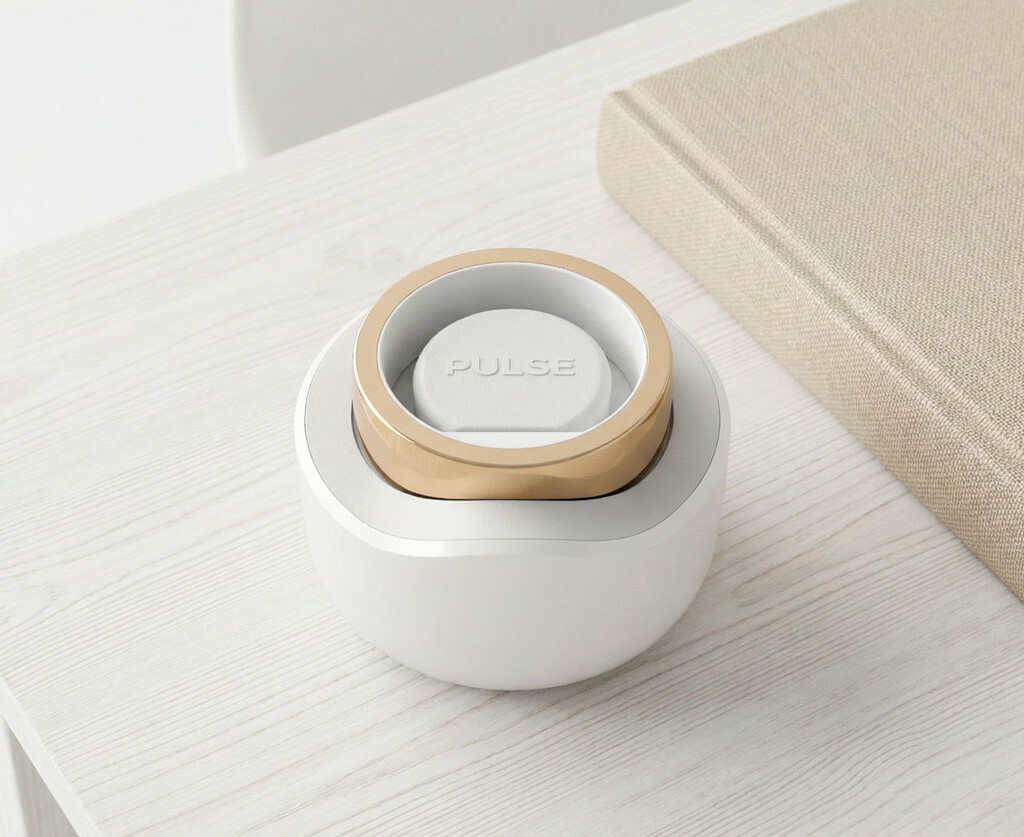
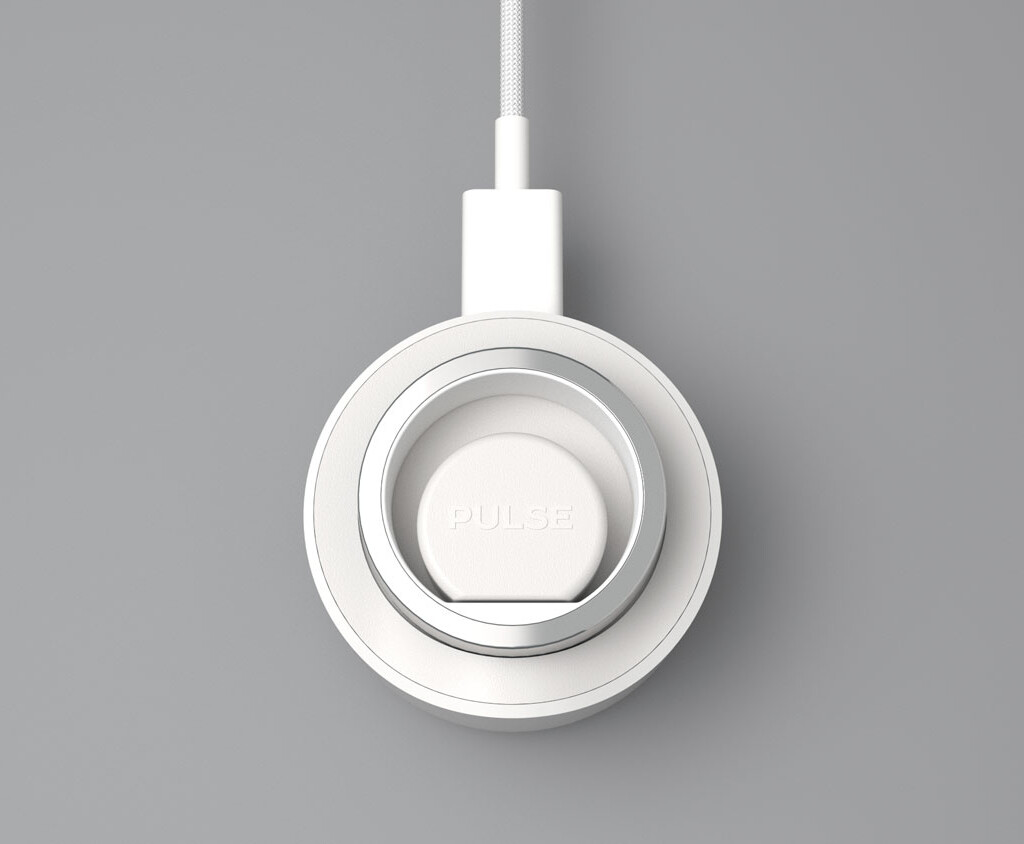
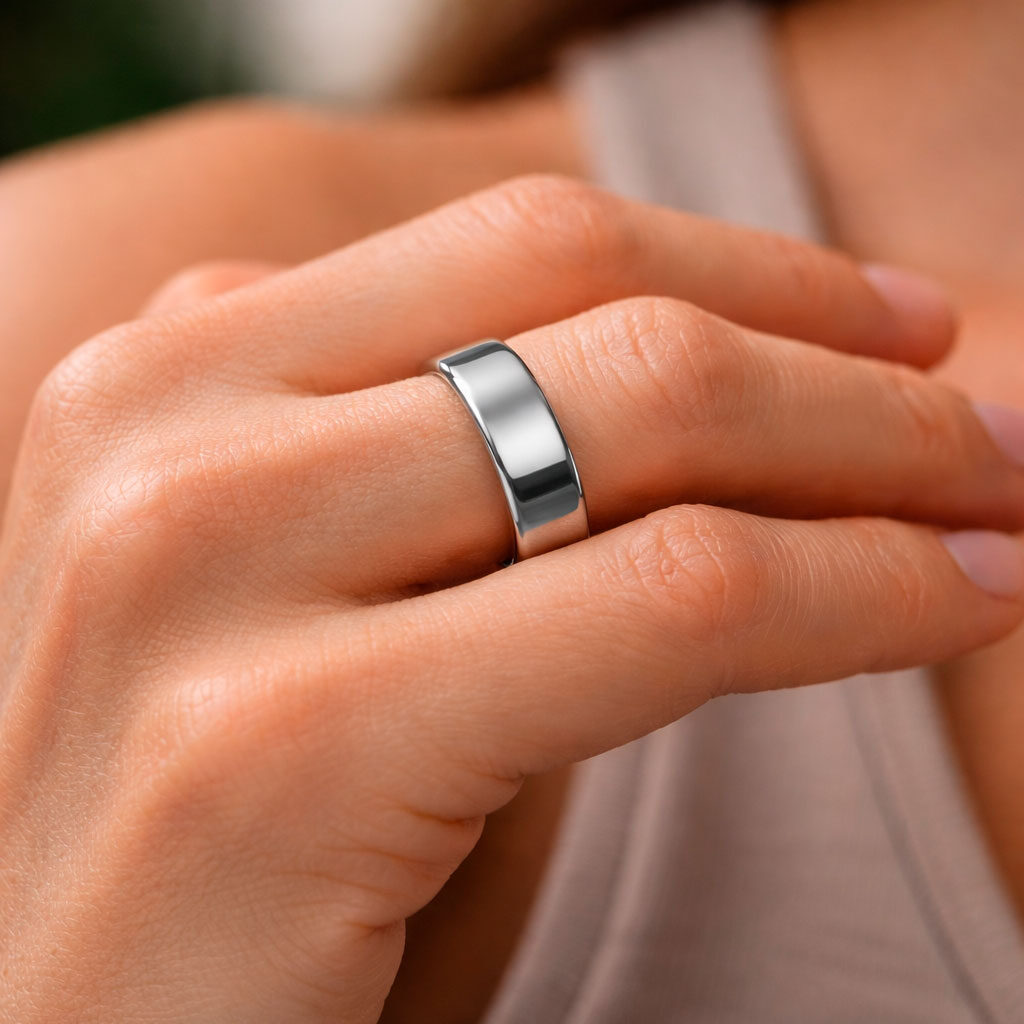
The ring itself was a demanding design challenge: a vibration motor, a printed circuit board and a battery inside a titanium shell, made as small as possible. “That was always the big discussion: how can we make it even smaller, so it’s comfortable to wear and not just working,” Matton says.
Along the way, the team also delivered solutions well beyond the ring itself:
- Freedom to operate. The smart ring space is crowded with patents covering sensors, batteries and magnetic chargers. Working with Pulse’s IP counsel, Haltian designed around hundreds of existing patents.
- Finish quality. The ring comes in gold and silver tones with a PVD coating, and the visual quality targets were high. Haltian worked closely with the supplier to meet them.
- Manufacturing. Like many startups, Pulse had no existing factory network. Haltian introduced Pulse to a contract manufacturer with deep experience in smart ring production.
Matton describes the collaboration as methodical and direct. Pulse felt very confident in Haltian’s competence and came to value its straightforward way of working: following a proven process and avoiding as many surprises as possible. “Each time we come over to Oulu, it feels really homey and friendly,” he says.
results
A simple idea that works
Engineering was completed in early 2026, and the Pulse ring went on sale in late spring 2026. Kickstarter backers received early access, and the ring is now reaching people looking for simple, everyday tools for mental wellbeing.
User feedback has been clear. Because the ring does no tracking and vibrates for only one purpose, it doesn’t pull people into the stress and overstimulation of their other devices. “It’s such a simple smart idea,” Matton says. “To see and hear from the users that it’s really working is quite remarkable.”
Pulse is now expanding its app with new features, such as letting users around the world pause together at the same moment.
Asked what he would tell other founders, Matton is direct:
“If you really want to focus and prioritize quality and security and getting things right, I would go with Haltian.”
– Johan Matton, CEO, Pulse


Talk to an expert
Let’s bring your vision to life!
Interested in developing a wearable? Contact Jari Arvola to talk through your brief. Set up a meeting with Jari or send him a message at jari.arvola@haltian.com