


from idea to a specification you can build, cost and fund
Technical concept development
Technical concept development turns your idea into a clear plan for a product you can actually build: what it does, how it will be made and what it will cost. At Haltian, a concept study for an electronic device typically takes 2–8 weeks and ends with a solid plan on productization.
40+
Countries with customers
200+
Products taken to market
25+
Years of device experience


TRUSTED BY AMBITIOUS STARTUPS AND GLOBAL BRANDS





Where are you starting from?
Most concept studies start from one of six situations.






Why the concept phase decides the cost of everything after it
Early in a product program, changes are cheap and every option is still open. Once detailed design starts and tools are ordered, each change costs more and the choices narrow. A well-executed concept study makes the big decisions while they are still cheap to make.
What you have at the end of the concept phase
A concept study ends with a decision-ready package, not a slide deck.
Take it to your board, your investors or your own engineering team.
- A frozen product specification: agreed and signed off, so the scope stops moving
- A full digital model of your product: industrial design, 3D PCB layout and mechanical 3D models, designed for manufacturing, assembly and testing
- A unit cost estimate: the factory price of your device
- A productization estimate: the time, people and budget the next phase needs
- Appearance model: a non-functional model you can hold and show
- Architecture and risk list: system architecture, firmware scope and the key risks
- A program plan: from the first engineering prototypes to mass production
- Full ownership of the IP: every document, design and output belongs to you
Do you need a feasibility study first?
Most products go straight into a concept study. If your product relies on risky or completely new technology, we can first run a feasibility study to confirm it can be done at all. That way you invest in the full concept only once the critical technology is proven.
Why start your product with Haltian
You get a plan you can act on, not a proposal
Our technical concept development gives you a priced, buildable product concept with a real factory price attached, and the IP is yours.
We engineer the whole device
We have taken battery-powered, radio-connected devices from concept to volume production for customers in more than 40 countries.
The same team takes you to production
The engineers who do your concept work in Oulu, Finland, do the detailed design in productization.
Testing and manufacturing are within reach
Our FCC-accredited antenna lab and environmental, audio and antenna testing sit next to our team, with manufacturing partners in Europe and Asia.
CLIENT STORY · WONDERSHOP
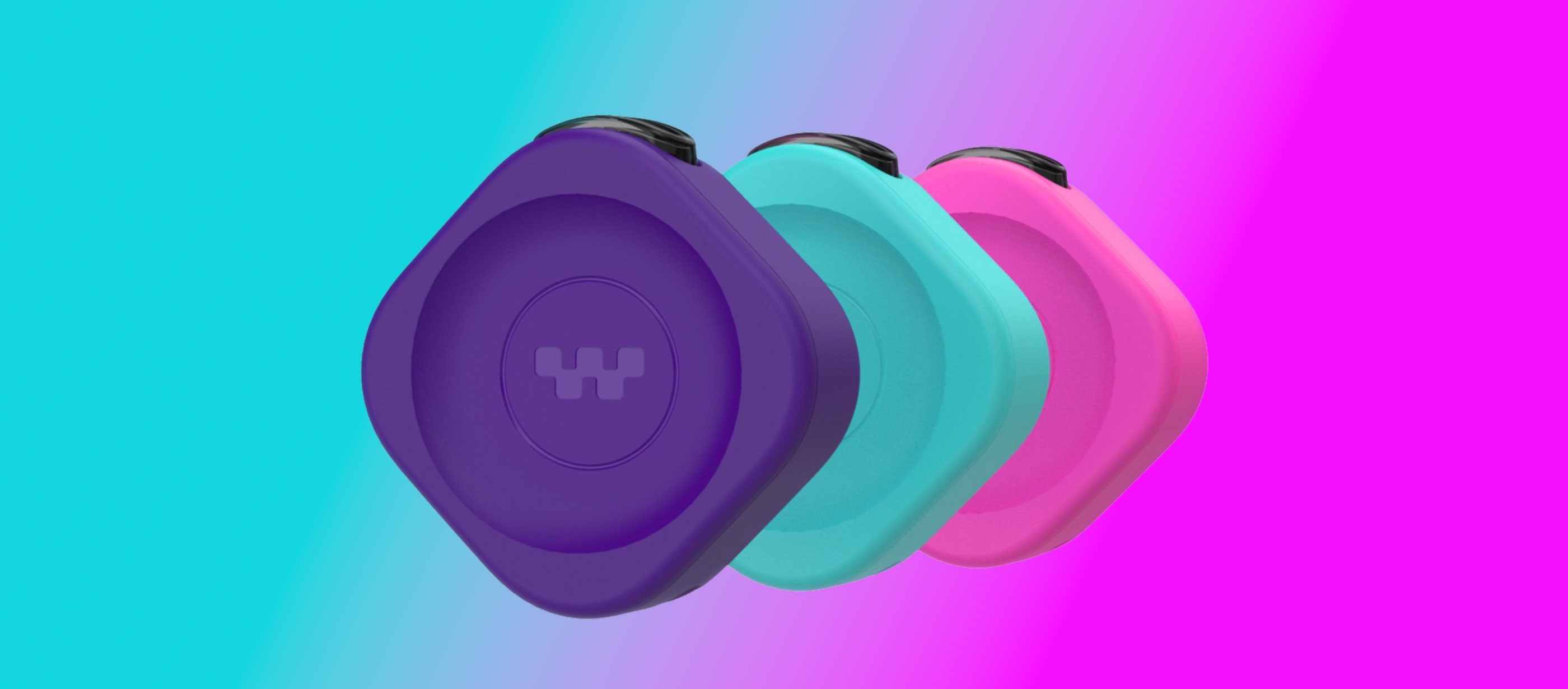
From idea to a game controller kids can actually use
Wondershop came to us with an idea and no hardware experience. Starting with technical concept development, we designed a children’s game controller with moisture-resistant touch sensing, BLE and NFC on a single board, and then took it into production. The project met every requirement on time and on budget, and the final BOM came in below the target cost.
Let’s scope your concept study
Book a meeting and tell us about your idea, business case or prototype. Together we scope your concept study: what it delivers, how long it takes and what it costs.


Get in touch
Not sure where to start?
Tell us about your idea or challenge, we’re here to help. Fill out the form and we’ll get back to you shortly.
Frequently asked questions
Technical concept development is the first phase of hardware product development, where an idea or a need is turned into a plan you can build, cost and fund: what the product does, how it will be made and what it will cost per unit. At Haltian, a concept study typically takes 2–8 weeks and ends with a frozen product specification, a full digital model, a unit cost estimate and a plan for productization. All IP created in the study belongs to you.
A concept study at Haltian typically takes 28 weeks, depending on the complexity of the product. It closes with one gate: the specification is frozen.
It depends on the product’s complexity. The concept study is followed by productization, the longest phase, with prototype rounds (EVT, DVT, PVT), verification and regulatory approvals such as CE, FCC and ISED. The concept study ends with a program plan that sets out the full timeline for your product.
The price depends on the product’s complexity and the disciplines involved. After a scoping discussion, we give you a fixed scope, timeline and price.
Often yes. A working demo proves an idea; it does not prove manufacturability, unit cost or certification. The concept study closes that gap.
You do. All intellectual property created in the concept study belongs to you, including documentation, designs and development outputs, so your own team or another partner can build on it.
The frozen specification becomes the input to, where the design is detailed, prototyped, verified and certified, and the output is a mass-production-ready product.
- Software architecture: device and system software, interfaces and development environment.
- Electronics design: components, power, signal integrity and a battery-life estimate.
- PCB design: concept layout and component placement.
- RF and antenna design: antenna concept, early simulation and regulatory alignment.
- Industrial design: user experience and design directions refined with you.
- Mechanical engineering: robustness, sealing, materials and manufacturability.
- Sourcing: component availability and supply chain.